Asphalt vs. Concrete: A Residential Paving Contractor's Guide for Bear, DE, Homeowners
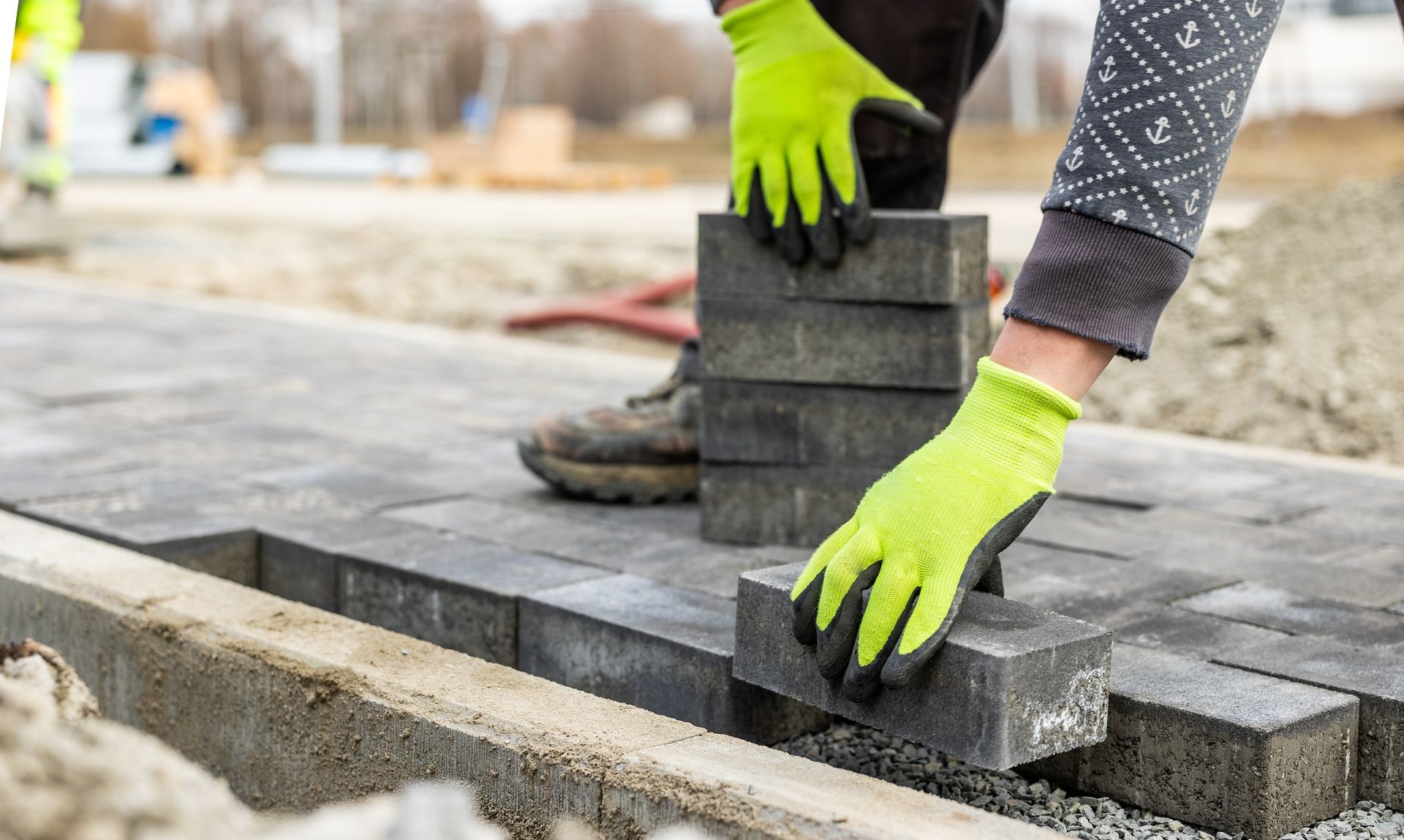
Choosing between asphalt and concrete is one of the most common questions homeowners face when hiring a residential paving contractor, and this guide breaks down what Bear, DE, residents need to know before making that decision.
How Do Asphalt and Concrete Actually Differ?
Both materials can build a solid, durable driveway. The key difference is composition and how each behaves under stress. Asphalt is a flexible material made from aggregate and bitumen. Concrete is a rigid mixture of cement, sand, gravel, and water. That flexibility versus rigidity drives most performance differences between them.
Lifespan and Long-Term Durability
Asphalt driveways typically last 20 to 25 years with regular upkeep, while a well-installed concrete driveway may last 30 to 40 years or longer. Concrete is more resistant to heavy loads and less likely to develop potholes. Asphalt can be more forgiving where the ground shifts slightly with seasonal changes.
Appearance and Curb Appeal
Asphalt gives a clean, uniform dark surface that many homeowners prefer. Concrete offers more design flexibility, including brushed, stamped, or colored finishes. Working with a skilled residential paving contractor ensures the installation meets the standard your neighborhood expects.
Which Material Holds up Better in Delaware Winters?
Delaware winters are the defining climate factor for driveways in New Castle County. Bear, DE, sits in a transition zone where temperatures regularly dip below freezing from late fall through early spring.
How Freeze-Thaw Cycles Affect Each Material
Freeze-thaw cycles occur when moisture seeps into surface cracks, freezes, expands, and then thaws. This repeats dozens of times each winter and can turn minor cracks into deeper structural problems.
Asphalt handles this cycle better because its flexibility allows it to expand and contract without breaking. Concrete is rigid, so repeated freeze-thaw stress may cause cracking, chipping, or surface scaling, especially where de-icing salts are used. Road salt can pit and stain concrete, which is a real concern for Bear homeowners. Asphalt's dark color also absorbs heat from sunlight, helping ice and snow melt faster.
Summer Heat and Asphalt Softening
In very high temperatures, asphalt may soften slightly and become tacky, which can lead to surface ruts if heavy vehicles park in the same spot repeatedly. Concrete stays stable in heat, giving it a performance edge during warm months.
Maintenance Requirements and Repair Considerations
Asphalt benefits from periodic sealcoating, which resists water, UV rays, and minor surface wear. Sealcoating is typically recommended within the first year after installation and repeated on a regular schedule. Learn more about sealcoating services to see how this step extends driveway life. Crack filling and patching are also common tasks, and most minor repairs can be handled without replacing the entire surface.
Caring for a Concrete Driveway
Concrete requires less routine maintenance and does not need periodic sealcoating. However, when it cracks or heaves, repairs can be more involved and costly. Matching a patch to the existing surface is also difficult, so visible repairs may affect appearance. Many concrete driveway owners use sand or other non-corrosive ice control options to limit salt damage.
Making the Right Choice for Your Property
Asphalt is often the practical choice for homeowners who want strong winter performance, lower upfront cost, and a straightforward maintenance routine. Concrete may suit homeowners who prefer a longer-lasting surface with more design options, provided they plan ahead for winter care.
A qualified residential paving contractor can assess your driveway's grade, drainage, soil conditions, and sun exposure before recommending a material.
Frequently Asked Questions
Which Costs Less to Install, Asphalt or Concrete?
Asphalt typically costs less upfront than concrete. Concrete costs more initially but needs less frequent maintenance, narrowing the total cost gap over time.
How Long Does It Take to Install a New Driveway?
Most residential asphalt driveways are completed in one to two days. Concrete takes longer overall due to curing time before it supports vehicle weight.
Can I Install or Repave My Own Driveway?
Professional installation is strongly recommended over DIY. Proper base preparation, grading, and compaction require specialized equipment that most homeowners don't have.
Does a New Driveway Increase My Home's Resale Value?
Yes. A well-maintained driveway boosts curb appeal and can add measurable resale value, while a cracked or neglected one signals deferred maintenance to buyers.
Ready to Pave Your Driveway the Right Way?
Getting a quality installation from an experienced local contractor is what makes either material perform well for years to come. Black Rock Paving and Seal Coating, Inc. has been serving residential customers in Delaware and the tri-state area with asphalt paving, concrete work, sealcoating, patching, and more since 2000.
Call (302) 275-1462 to request a free quote, or contact our team online to discuss your project. You can also explore residential paving contractor services to see the full range of options available for your home.